
How Much Does a Bathroom Remodel Cost in Massachusetts? (2026 Guide)
· By Nathan Cunha
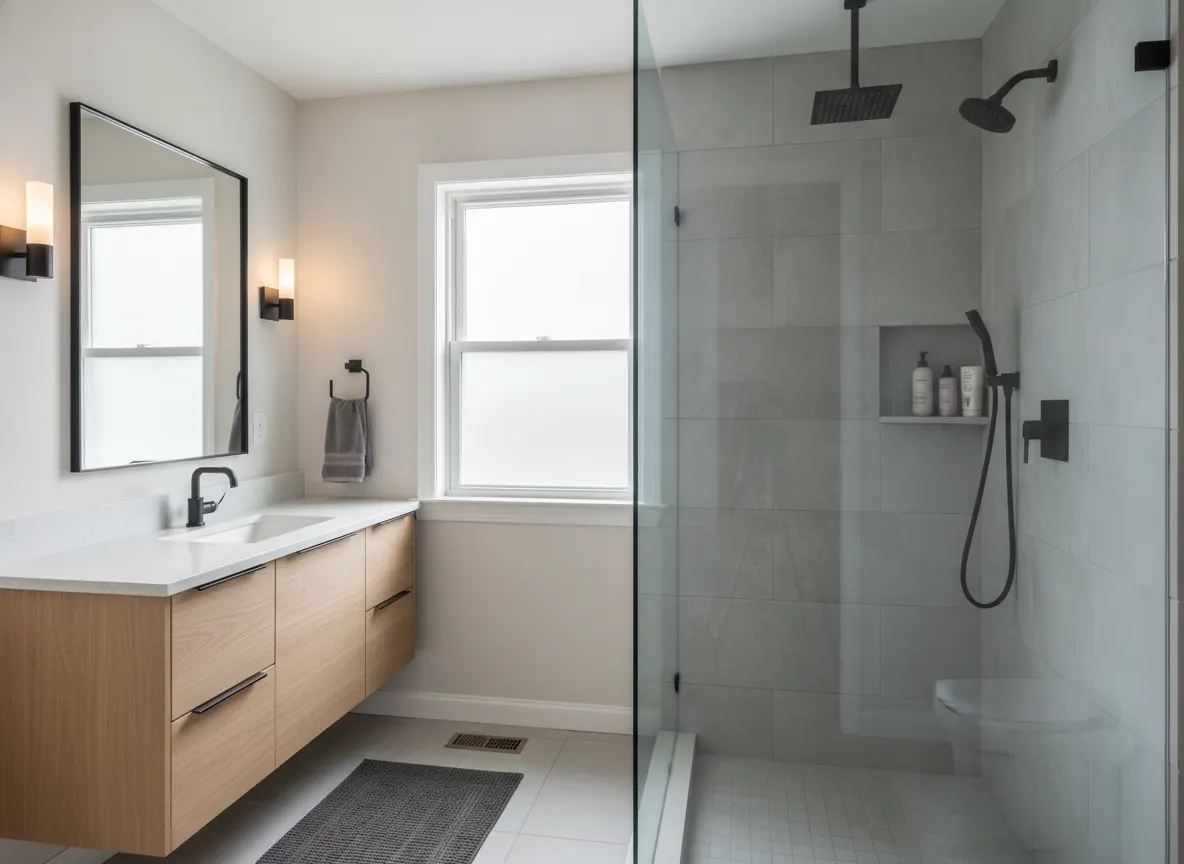
A bathroom remodel in Massachusetts typically costs somewhere around $10,000 to $20,000 for a cosmetic refresh, $20,000 to $40,000 for a full mid-range remodel, and $45,000 or more for a large or high-end gut renovation with layout changes. Those are rough market ranges for the Boston suburbs in 2026, not a quote. Your number depends on the size of the room, what is behind the walls, and the finishes you pick.
Published cost guides for Greater Boston swing a lot. Some national sites show averages near $12,000, while local remodelers report most full remodels well above $20,000. The gap comes down to scope. A new vanity and paint is a different project from tearing the room to the studs and rebuilding the shower pan. This guide breaks down what each level usually includes, where the money goes, and how to set a budget you can actually stick to.
Typical bathroom remodel cost ranges in Massachusetts
Think of bathroom work in three tiers. These ranges are typical for towns north of Boston like Woburn, Burlington and Winchester. Real projects fall above and below them.
Cosmetic refresh (roughly $10,000 to $20,000): new vanity and top, toilet, faucet, light fixture, mirror, paint, and maybe a new floor. The tub and shower stay where they are. No walls move and the plumbing stays in place.
Full mid-range remodel (roughly $20,000 to $40,000): the room comes down to the studs. New tile shower or tub surround, new floor tile, new vanity, updated plumbing valves, new exhaust fan, and new drywall or cement board. Layout stays about the same. This is the most common project in older New England homes.
Large or high-end remodel (roughly $45,000 and up): moving the toilet or shower, converting a tub to a walk-in shower with a curbless entry, custom glass, heated floors, a double vanity, or bumping into a closet to gain space. Primary bathrooms with premium stone and custom work often run well past this.
Per square foot, many Boston-area sources quote something like $70 to $250 or more. That metric is less useful than it sounds, because a small bathroom still needs the same plumber, electrician and tile setter as a big one. Small rooms usually cost more per square foot.
Where the money goes
Labor is typically the biggest line. In the Boston area, labor commonly makes up around 40% to 60% of a bathroom budget. A full remodel involves several trades: demolition, framing repairs, plumbing, electrical, drywall or backer board, waterproofing, tile, carpentry and painting. Each one has to be scheduled in the right order.
Materials are the second big piece. Tile is where budgets drift the most. A basic porcelain floor and wall tile is very different from large-format slab tile or natural stone. Vanities range from stock units to custom furniture pieces. Fixtures like a thermostatic shower valve or a wall-hung toilet add up fast.
Then there are the pieces people forget: the exhaust fan and duct run to the outside, GFCI outlets, new supply and drain lines, a new window or window trim, shower glass, accessories, and the dumpster. A good written estimate lists these so you can see them before work starts.
What drives the price up (or down)
Moving plumbing. Keeping the toilet, sink and shower in the same spots is the single best way to control cost. Moving a toilet drain means opening the floor, re-routing the pipe and often reframing joists.
What you find behind the walls. Many homes around here were built in the 1920s through the 1960s. Opening a bathroom in one of those houses can uncover rotted subfloor under the toilet, cast iron drains near the end of their life, old galvanized supply lines, or ungrounded wiring. None of that shows up until demolition, so a smart budget holds 10% to 15% in reserve for it.
The shower build. A tiled shower done right starts with a proper pan and a waterproofing system. A traditional mud-set shower pan (sloped mortar bed over a liner) is heavy, durable work and takes skilled labor. Prefab pans and acrylic bases cost less but look and feel different. Curbless or linear-drain showers take more floor prep.
Tile size and pattern. Large-format tile needs a flatter substrate. Herringbone and other patterns take more time and more cuts. A niche, a bench and accent bands each add hours.
Finishes and lead time. Custom vanities, stone tops and special-order fixtures can add cost and weeks. Choosing everything before demolition keeps the job from stalling.
Permits and code items in Massachusetts
Most bathroom remodels in Massachusetts need permits once you touch plumbing, electrical or framing. Plumbing and electrical work is done under permits pulled by a licensed plumber and a licensed electrician, and your town's inspectors check the work before walls are closed. A purely cosmetic swap (new mirror, paint, a like-for-like faucet) usually does not.
Permit fees vary by town and are normally a small slice of the total. The bigger effect is on schedule, since inspections have to happen at the right stages. If your home was built before 1978, lead-safe work practices also apply when painted surfaces are disturbed, which can add some cost for containment and cleanup.
NC Construction explains the permit process up front and helps handle it, so you know which inspections to expect and when.
How long a bathroom remodel usually takes
A cosmetic refresh can often be done in about a week or two once materials are on site. A full gut remodel of a standard hall bathroom commonly takes several weeks, depending on inspections, tile work and how long special-order items take to arrive. Larger primary bath projects run longer.
The biggest schedule killers are late material decisions and surprises behind the walls. Picking tile, vanity and fixtures before demolition, and ordering them early, is the easiest way to keep the timeline tight. If you only have one bathroom, plan ahead for where the family will shower during the work.
How to set a realistic budget
Start with scope, not a number. Decide whether you are refreshing, replacing in place, or changing the layout. That one choice sets the tier more than anything else.
Next, pick a few must-haves and a few nice-to-haves. For many families the must-haves are a solid shower that will not leak, good ventilation and enough storage. Heated floors or a niche in every wall can move to the nice-to-have list.
Then add a 10% to 15% contingency, especially in older homes. If it is not needed, great. If the subfloor under the tub is soft, you will be glad it is there.
Finally, get a clear written estimate that breaks out demolition, plumbing, electrical, tile, fixtures and finish work. Comparing line by line is much more useful than comparing one total to another. When you hire, check the contractor's Home Improvement Contractor (HIC) registration and Construction Supervisor License on mass.gov, and ask who will actually be on the job each day.
Get a real number for your bathroom
Online ranges are a starting point. The real cost of your bathroom depends on its size, its age and what you want it to become. NC Construction offers a free, clear written estimate for bathroom remodels in Woburn and across the surrounding towns. Nathan, the owner, is on the job, so you talk with the person who is actually building your project, from demo to the last piece of trim.
Frequently asked questions
- How much does a small bathroom remodel cost in Massachusetts?
- A small hall bathroom in the Boston suburbs typically runs about $10,000 to $20,000 for a cosmetic refresh and roughly $20,000 to $35,000 for a full gut remodel with new tile and plumbing valves. Small rooms still need every trade, so the cost per square foot is usually higher than in a large bathroom.
- What is the most expensive part of a bathroom remodel?
- Labor is usually the largest share, often around 40% to 60% of the budget in the Boston area, because a full remodel involves plumbing, electrical, carpentry, waterproofing and tile. Among materials, tile and the shower system are where costs grow fastest.
- Do I need a permit to remodel a bathroom in Massachusetts?
- In most Massachusetts towns you need permits when the work involves plumbing, electrical or structural changes. Plumbing and electrical permits are pulled by licensed trades, and inspectors check the work before walls are closed. Simple cosmetic swaps generally do not need a permit, but it is worth confirming with your local building department.
- Is it cheaper to convert a tub to a walk-in shower?
- Not always. A tub-to-shower conversion often costs about the same as, or more than, replacing the tub, because it needs a new shower pan, waterproofing, tile and glass. It can be worth it for accessibility or everyday comfort, but it is not a shortcut to a lower price.
- How much contingency should I plan for in an older home?
- A 10% to 15% reserve is a sensible rule of thumb for bathrooms in homes built before the 1970s. Opening walls and floors in older houses can reveal soft subfloor, old cast iron drains or outdated wiring that has to be fixed before new finishes go in.
Found this helpful? Make us a preferred source on Google.
Free estimate
Want real numbers for your project?
Get a free, written estimate based on your home, not a phone guess.