
Hardwood Floor Installation Cost in Massachusetts (2026 Guide)
· By Nathan Cunha
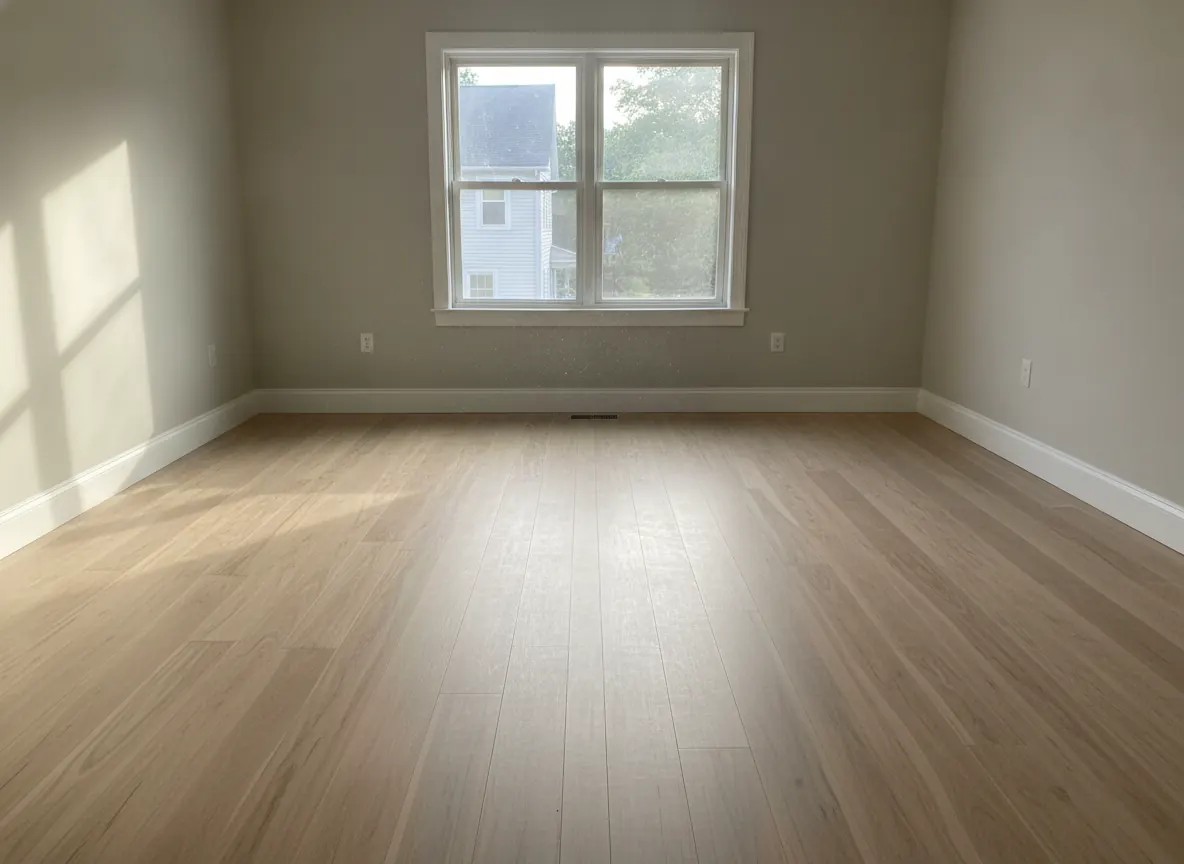
Hardwood floor installation in Massachusetts typically costs somewhere around $10 to $22 per square foot for materials and labor combined, with most mid-range projects landing in the low to middle part of that range. For a 500 square foot living and dining area, that often works out to roughly $5,000 to $11,000, before any subfloor repairs, stairs or trim work.
Those numbers are a starting point, not a quote. The wood species, the type of flooring, the condition of what is underneath, and the layout of your rooms all move the price. This guide breaks down each factor so you can walk into an estimate knowing what you are paying for, whether your home is a 1920s colonial in Medford or a newer build in Wilmington.
Typical cost ranges: materials vs. labor
It helps to split the number in two. Hardwood material in this market typically runs from about $3 per square foot for basic grades up to $15 or more for wide-plank or premium species. Installation labor in Massachusetts usually adds somewhere around $3 to $10 per square foot, and labor here runs noticeably above the national average.
Add those together and you get the common all-in range of about $10 to $22 per square foot for most projects. Simple, open rooms with a mid-grade oak floor sit near the lower end. Wide plank, custom patterns, many small rooms, stairs and older homes with uneven subfloors push toward the higher end, and sometimes beyond it.
Remember that you buy extra material too. Installers normally order 5 to 10 percent more than the measured square footage to cover cuts, waste and board selection, and more for diagonal or herringbone layouts.
Solid vs. engineered hardwood
Solid hardwood is one piece of wood, usually 3/4 inch thick. It can be sanded and refinished several times over its life, which is why it is still the standard in most New England homes. It is nailed down over a wood subfloor and is not a good fit for below-grade basements or directly over concrete.
Engineered hardwood has a real wood wear layer bonded over a plywood or composite core. It moves less with humidity changes, so it handles basements, concrete slabs and radiant heat better. Price ranges overlap with solid wood: budget engineered floors can be cheaper, while high-end engineered wide plank can cost more than solid oak. The thickness of the wear layer decides how many times it can be refinished.
For most above-grade rooms in a Massachusetts house, both are reasonable choices. The right one depends on the subfloor, whether there is radiant heat, and how long you want the floor to last before replacement.
Species, grade and width
Red oak and white oak are the most common species in the area and usually the best value. White oak has become especially popular for its neutral tone and grain. Maple is hard and smooth but can be finicky to stain evenly. Hickory is very hard and rustic looking. Exotic species like Brazilian cherry cost more and can be harder to source and match later.
Grade matters as much as species. Select or clear grades have fewer knots and more uniform color, and cost more. Character or rustic grades show knots and color variation, and cost less.
Width is the other big lever. Standard strip flooring (around 2 1/4 inches) is the most affordable. Wide plank boards of 5 inches and up look great but cost more per square foot and are more sensitive to seasonal humidity swings, which matters in a New England climate.
Prefinished vs. site-finished floors
Prefinished flooring arrives already stained and sealed. It installs faster, there is no sanding dust or finish smell, and you can often walk on it the same day. The tradeoff is small beveled edges between boards and fewer color choices.
Unfinished flooring is installed raw, then sanded, stained and coated on site. It gives a flat, seamless surface and lets you choose any stain color, and it is the best way to match existing floors in adjoining rooms. It takes longer, since each coat of finish needs time to dry, and the house has to stay clear of the work area for several days. Labor cost is higher, while material cost is often lower.
If you are extending hardwood into a new room and want it to blend with original floors, site finishing is usually the way to go.
Hidden costs in older Massachusetts homes
A lot of homes north of Boston were built before 1950, and old houses have their own surprises. The most common one is the subfloor. Plank subfloors can be uneven, squeaky or damaged by old leaks, and leveling or replacing sections can add a few dollars per square foot, sometimes more in bad spots.
Other items that often show up on the final bill: removing and disposing of old carpet, vinyl or tile (tile over a mortar bed takes real work to remove); moving furniture; new or replaced baseboard and shoe molding; transitions to tile or carpet in adjoining rooms; undercutting door casings and trimming doors; and stair treads and risers, which are priced per step and cost much more per square foot than open floor.
If your home was built before 1978, painted trim and some old floor coverings may involve lead-safe work practices during removal. A good contractor will explain this up front rather than surprise you later.
New England humidity and acclimation
Wood expands in humid summers and shrinks in dry, heated winters. That is why you see small gaps between boards in February that close up by July. It is normal within limits, but a poorly acclimated floor can cup, crown or gap badly.
Most manufacturers call for the flooring to sit in the home, at normal living temperature and humidity, before installation. The installer should check the moisture content of both the wood and the subfloor with a meter. Running a humidifier in winter helps protect the floor over the long term. These steps do not add much to the cost, but skipping them is one of the most common reasons hardwood floors fail early.
How to get an accurate number for your home
The honest answer to "how much will my floor cost" is that it depends on things only a site visit can see: subfloor condition, room layout, transitions, and what has to come up first. Online calculators are fine for a ballpark but they miss those details.
When you collect estimates, make sure each one lists the same things: the species, grade, width and brand; square footage plus waste allowance; removal and disposal of the old floor; subfloor prep; finish type and number of coats if site-finished; trim, transitions and stairs. A lower number that leaves out subfloor work or trim is not really lower.
It is also worth checking that the contractor is registered with the Massachusetts Home Improvement Contractor program, which you can verify on mass.gov.
NC Construction installs all types of floors in Woburn, Burlington, Medford and across Massachusetts. The owner is on the job, you get a clear written estimate that spells out each of those items, and estimates are free.
Frequently asked questions
- How much does hardwood floor installation cost per square foot in Massachusetts?
- Most hardwood floor installations in Massachusetts typically run about $10 to $22 per square foot for materials and labor combined. Basic oak strip flooring in open rooms sits near the low end, while wide plank, premium species, stairs and subfloor repairs push costs higher.
- Is engineered hardwood cheaper than solid hardwood?
- Not always. Budget engineered flooring can cost less than solid oak, but high-end engineered wide plank can cost more. Engineered wood is better over concrete, in basements and with radiant heat, while solid wood can be refinished more times.
- How long does hardwood floor installation take?
- Prefinished flooring in a few rooms can often be installed in a few days. Site-finished floors take longer because the wood is sanded, stained and coated on site, and each coat needs drying time. Acclimation time before installation and any subfloor repairs add to the schedule.
- Can hardwood be installed over my existing floor?
- Sometimes, but usually the old covering should come up so the installer can check and prepare the subfloor. Carpet always comes out. Old vinyl or tile may stay in some cases if it is flat and well bonded, but floor height changes at doors and transitions have to be planned.
- What is the best time of year to install hardwood floors in New England?
- Hardwood can be installed year round as long as the home is at normal living temperature and humidity and the wood is acclimated. Late spring and early fall are often the easiest because indoor humidity is moderate, which reduces the risk of gaps or cupping after installation.
Found this helpful? Make us a preferred source on Google.
Free estimate
Want real numbers for your project?
Get a free, written estimate based on your home, not a phone guess.