
Remodeling in Medford, MA: A Guide to Renovating an Older Home
· By Nathan Cunha
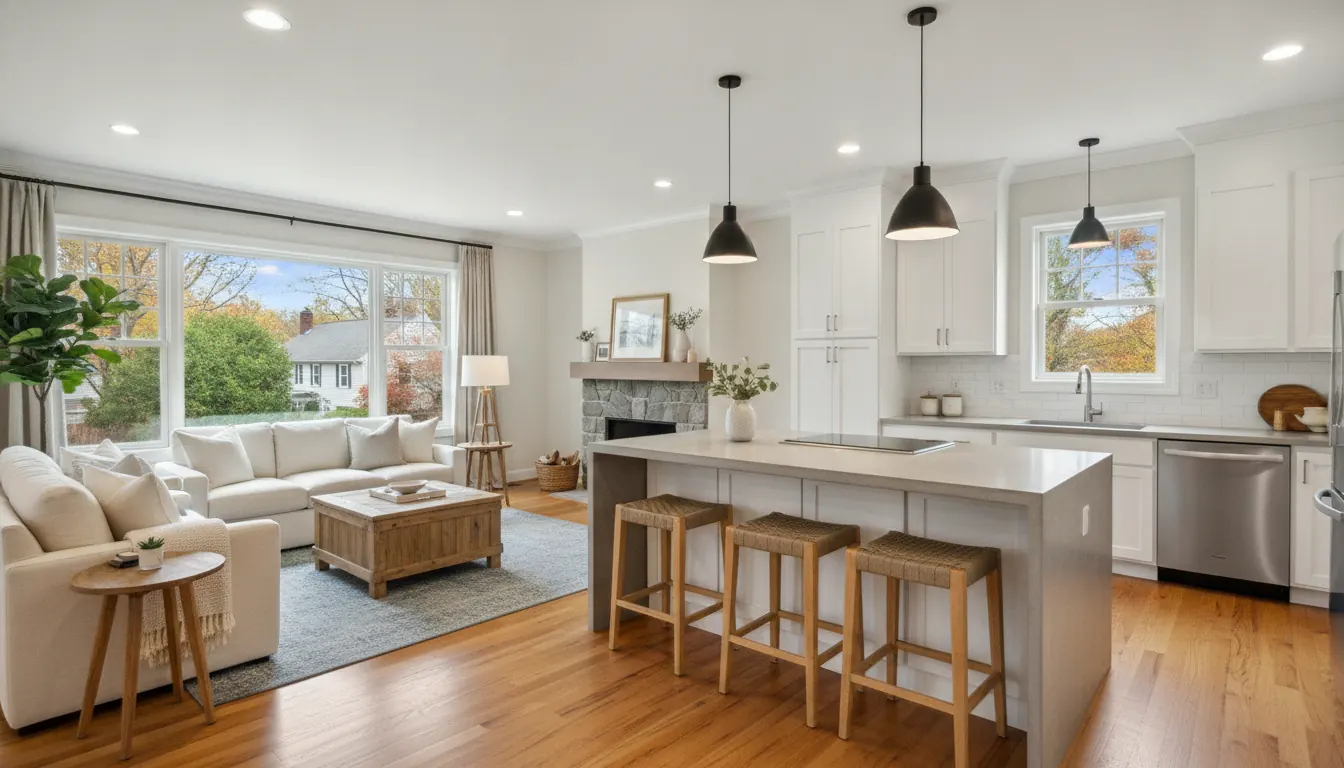
Remodeling in Medford, MA almost always means working on an older house, so a good plan starts with an honest look at the structure and systems, a clear idea of which rules apply to your property, and a budget with enough cushion for what a century-old building can hide. Most of the city was built out long before modern codes, and that shapes nearly every renovation.
This guide covers what Medford homeowners tend to run into, from West Medford single-families to two-families and three-deckers closer to the Mystic River, and how to plan a project that stays on track.
Medford neighborhoods and the houses in them
Much of Medford was built out between the late 1800s and the middle of the 1900s, as open land around Medford Square and West Medford filled in with block after block of single-family and two-family houses, along with some three-deckers. West Medford has a range of early to mid 20th century homes, many on fairly generous lots for the city. Wellington, bounded by the Mystic and Malden Rivers, has early 20th century working-class housing including three-deckers and small single-family homes.
On the north side, Fulton Heights and Lawrence Estates lean toward single-family homes, and many houses in Lawrence Estates date to before 1940. Brooks Estates, in the northwest corner near the Mystic Lakes and the Winchester line, mixes historic homes with later construction. Wherever you are, the odds are good that your house has been renovated at least once or twice already, and not always well.
What to expect when the walls come open
Older Medford homes follow a familiar pattern. Walls are usually plaster on wood lath, sometimes covered over with drywall in a later update. Many houses from before the 1930s use balloon framing, where wall studs run continuously from the foundation to the roof. Those open cavities let air and fire travel between floors, so code-required fire blocking is often added during a renovation.
Electrical surprises are common: sections of knob-and-tube wiring, ungrounded circuits and splices buried in walls from past projects. Plumbing may include galvanized supply lines, lead service connections in some older properties, and cast iron drains that have cracked or rusted through at the joints.
Structurally, look for sagging floors near the center of the house where a carrying beam has settled, joists notched or cut for old pipe runs, and porches that have pulled away from the main house. None of this is unusual. The key is to expect it and have a plan for it before demolition starts.
Lead, asbestos and the rules for older homes
Most Medford houses were built before 1978, so lead paint is likely somewhere on trim, windows, doors, porches or siding. Renovation that disturbs painted surfaces in pre-1978 homes falls under federal and Massachusetts lead-safe work rules. If you rent a unit, keep in mind that the Massachusetts Lead Law puts obligations on owners when a child under six lives in the home, which can affect how and when you renovate.
Older plaster, flooring, pipe insulation and boiler wrap can also contain asbestos. Testing suspect materials before demolition is inexpensive compared with stopping a job halfway. Put testing near the top of your to-do list, not the bottom.
Permits, historic districts and the energy code
In Massachusetts, structural work, additions, roofing, porches and decks normally need a building permit from the city, with separate plumbing and electrical permits. Medford also has local historic districts, so if your house is in one, exterior changes may need review before work begins. The city can confirm whether your address is inside a district.
Medford has also opted into the Massachusetts Specialized Opt-in Energy Code. It mainly affects new construction and major projects, so a gut renovation or an addition may carry stricter energy requirements than a small remodel. Ask how it applies to your scope while you are still designing, because it can influence insulation, windows and heating and cooling choices.
Review times depend on the city and on how complete the application is. Avoid locking in a start date until you know where the permit stands.
Phasing a renovation you live in
Many Medford owners live in the house, or in one unit of a two-family, while work happens. Phasing makes that manageable. A common approach is to start with the systems that sit behind everything else: electrical service, plumbing risers and structural repairs. Then move to kitchens and baths, and finish with floors, trim and paint.
In a two-family or three-decker, remember that plumbing and electrical often run through both units and that stairways and hallways may be shared. Plan water shutoffs, noise and access with everyone in the building. On narrow streets with limited parking, also think about where a dumpster and material deliveries will go before the first day of work.
Timing: when to do each type of work
Roofing, siding, porch rebuilds and decks belong in late spring through fall, when the weather cooperates and materials install properly. Ice dams and freeze-thaw cycles over the winter often show you exactly where the roof edge, flashing or porch steps have failed, which makes early spring a good time to get those items estimated.
Kitchens, bathrooms, unit refreshes and flooring run all year. If you own a rental unit, time interior work around lease dates and leave some margin, because older buildings rarely finish ahead of schedule.
Budgeting for an older Medford home
Renovation costs in Medford follow Greater Boston pricing, which is higher than national averages. As a very rough guide, many midrange full bathroom remodels in the area typically land in the tens of thousands of dollars, many midrange kitchens run well past that, and a whole-house renovation depends almost entirely on how much structure and system work is needed. Treat any published figure as a starting point only.
For a house built before World War II, many homeowners set aside a contingency of 15 to 20 percent. That covers the usual suspects: rot at sills and porches, old wiring that has to go, plumbing that fails once it is disturbed and framing that needs reinforcing.
Before you sign anything, check a contractor on mass.gov for Home Improvement Contractor (HIC) registration and, for structural work, a Construction Supervisor License (CSL). Massachusetts law generally requires a written contract for home improvement work on owner-occupied homes of one to four units and limits up-front deposits, apart from special-order materials.
Planning your Medford project with NC Construction
NC Construction is a general contractor based in Woburn, a short drive up I-93 from Medford. Nathan, the owner, does the walkthrough, writes a clear itemized estimate and is on the job while the work is underway. When something unexpected turns up behind the plaster, we show you and talk through the fix before moving on. We also explain the permit process and help handle it.
If you are planning a kitchen, a bath, a unit refresh or a full renovation, request a free written estimate and we will walk the house with you.
Frequently asked questions
- What usually goes wrong when renovating an old Medford house?
- The most common surprises are knob-and-tube or ungrounded wiring, corroded galvanized pipes, cracked cast iron drains, rot at sills and porches, and floors that sag where a center beam has settled. Planning a contingency for them keeps the project on track.
- Does the Specialized energy code apply to remodels in Medford?
- Medford has opted into the Massachusetts Specialized Opt-in Energy Code, which mainly affects new construction and major projects. A small remodel is usually not affected much, but a gut renovation or an addition may have stricter energy requirements.
- Should I test for lead and asbestos before remodeling?
- Yes, in most older Medford homes. Paint in houses built before 1978 may contain lead, and older flooring, plaster and pipe insulation may contain asbestos. Testing before demolition lets the work be planned safely.
- Can I renovate one unit of a two-family while living in the other?
- Usually yes, with planning. Shared plumbing, electrical, stairs and hallways mean water shutoffs, dust control and access should be scheduled with everyone in the building.
- How much contingency should I plan for a pre-war Medford home?
- Many homeowners set aside around 15 to 20 percent of the project cost for older homes, since hidden rot, wiring and framing issues are common once walls are opened.
Found this helpful? Make us a preferred source on Google.
Free estimate
Want real numbers for your project?
Get a free, written estimate based on your home, not a phone guess.