
Mud Set vs Thinset Tile Floors: Which Method Does Your Floor Need?
· By Nathan Cunha
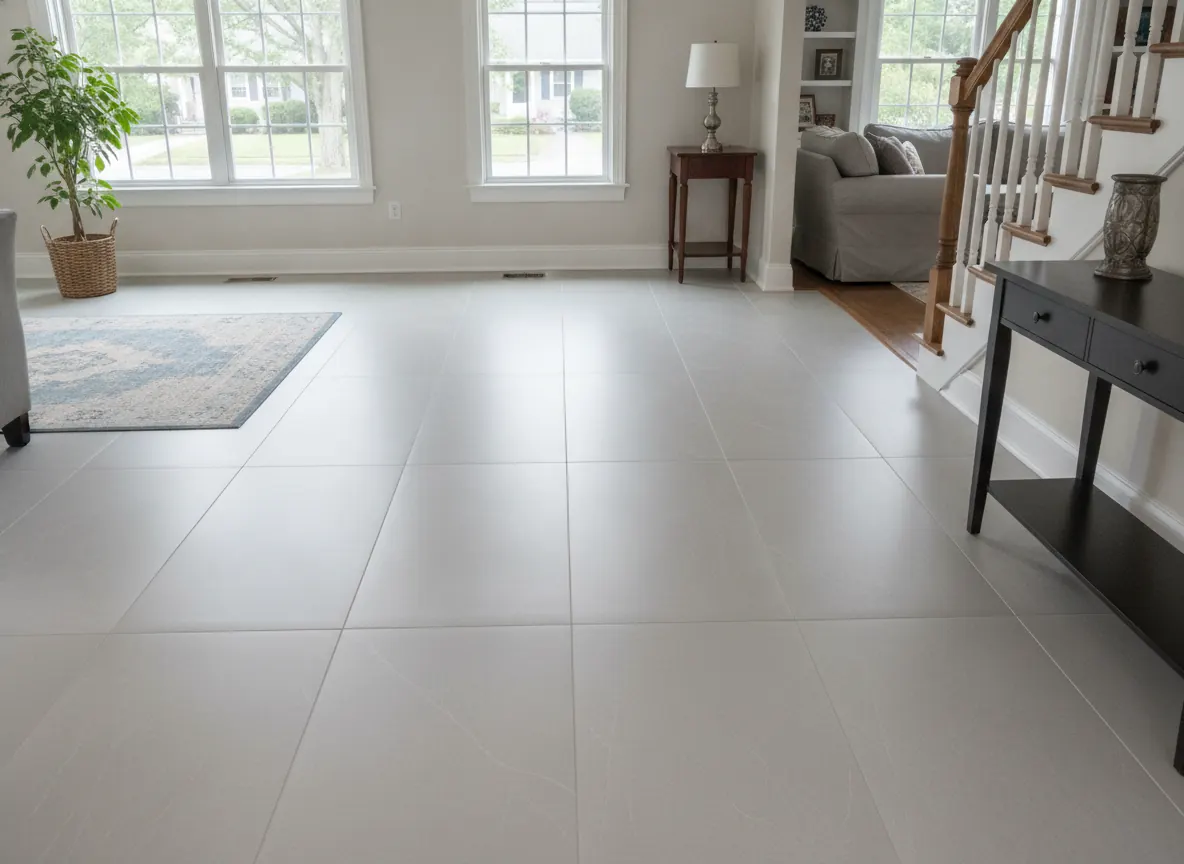
A mud set tile floor uses a thick bed of packed sand and Portland cement under the tile, while a thinset floor bonds tile to a flat surface with a thin layer of adhesive mortar. Thinset is the right choice when the subfloor is already flat, solid, and stiff. A mud set is the right choice when the floor needs to be leveled or sloped, like an out-of-level floor in an older house or a custom shower pan.
Both methods can give you a floor that lasts for decades. The difference is what is underneath and how much correcting the floor needs. This guide explains how each one works, when a mud bed is worth the extra labor, what drives cost, and what to ask a tile contractor so the method matches your floor.
What a Mud Set Floor Actually Is
A mud set, also called a mortar bed or mud bed, is one of the oldest ways to set tile. The installer mixes a fairly dry blend of sand and Portland cement, packs it onto the floor, and screeds it flat or to a precise slope. On a wood-framed floor there is usually a cleavage membrane and metal lath under it so the bed can float and stay strong. Once the bed is shaped, the tile is set on top.
The bed is typically about three-quarters of an inch up to an inch and a quarter or more thick, depending on how much correcting the floor needs. That thickness is the whole point: the installer can build a dead-flat plane over a floor that dips, humps, or runs out of level, or build in a slope toward a drain.
It is skilled, slow, hand work. Getting a large floor flat and true with packed mortar takes an experienced tile setter, and that is a big reason fewer crews offer it today.
What a Thinset Installation Is
Thinset is a cement-based adhesive mortar, usually modified with polymers, that is troweled onto a prepared surface in a thin layer. The tile is pressed into it and bonds directly. Most tile floors installed today use thinset over cement backer board, an uncoupling membrane, or a concrete slab.
Thinset is fast, efficient, and very reliable when the substrate is right. It does not correct much. The tile industry sets tight flatness tolerances for tile, and large format tile needs an even flatter surface. If the floor underneath is off, thinset will mostly follow it, and you get lippage (tile edges that stick up), hollow spots, and cracked tiles or grout later.
When the floor is out of flat, the thinset route usually means fixing it first with self-leveling underlayment, sistered joists, or new plywood. That adds cost and time, and it narrows the gap between the two methods.
When a Mud Bed Is the Better Choice
Older homes around Woburn, Medford, and Stoneham are full of floors that settled decades ago. Bathrooms and kitchens in houses built before World War II often have joists that sag or rooms that run noticeably out of level. A mud bed can take that out in one step and give a stable, flat base for the tile.
Mud set is also the traditional way to build a shower pan. The installer builds a pre-slope, sets the waterproof liner, and packs a sloped mortar bed so water runs to the drain in every direction. For custom shapes, curbless showers, or linear drains, a mud pan lets the installer build exactly the slope the space needs instead of forcing a prefab tray to fit.
It also makes sense for heavy stone, when a floor needs to meet an existing tile or hardwood height, and in spaces where an extremely solid, dense feel underfoot matters.
When Thinset Is the Smarter Pick
If your subfloor is flat, stiff, and in good shape, thinset over a proper underlayment or membrane is usually the smart, economical call. New construction, a basement slab in good condition, or a floor that has already been leveled are all good candidates.
Thinset also keeps the floor build-up low. A mud bed adds real height, which can create a step at the doorway or cause trouble with toilet flanges, dishwashers, and door clearances. In a kitchen that flows into hardwood, thinset over a membrane often keeps the transition cleaner.
Speed is the other factor. A thinset installation over a ready surface moves faster, and the room is back in service sooner.
What Each Method Typically Costs
Mud set usually costs more per square foot than thinset because it takes more labor and more material. As a rough national guide, building a mortar bed on its own often adds something like $9 to $12 per square foot before the tile is set, and Greater Boston labor rates tend to run on the higher side. Standard thinset installation labor is usually lower, though the total depends heavily on tile size, pattern, and prep.
The honest comparison is total job cost, not just the setting method. A sagging floor set with thinset still needs leveling, reinforcement, or new underlayment first. Once that prep is added, a mud bed can come closer in price than people expect.
Tile choice, layout (herringbone and small mosaics take longer), demolition, subfloor repairs, heated floor systems, and waterproofing all move the price. A free written estimate after a floor check is the only way to know your number.
Common Problems From Using the Wrong Method
Most tile failures trace back to what is under the tile, not the tile itself. Cracked tiles and grout lines usually point to a floor that flexes too much. Hollow-sounding tiles often mean poor coverage or an uneven base. Lippage shows up when large tile is set over a floor that is not flat.
In showers, a pan without proper slope leaves standing water, which leads to mold, stained grout, and leaks into the floor below. Whether the pan is mud set or a foam system, slope and waterproofing have to be right.
Choosing the method for the floor you actually have, not the one that is fastest, avoids most of these callbacks.
Questions to Ask Your Tile Contractor
Ask how they will check flatness and floor stiffness before quoting. Ask whether they recommend mud set or thinset for your floor and why. For showers, ask how the pan is built, how it is waterproofed, and whether it gets a flood test before tile goes on.
It is also worth confirming a contractor's Massachusetts Home Improvement Contractor (HIC) registration on mass.gov before you sign.
Mud floors and shower pans are part of the work NC Construction does, along with standard thinset installations. The owner, Nathan Cunha, is on the job and will tell you straight which method fits your floor. Request a free estimate and we will check the floor before recommending anything.
Frequently asked questions
- Is a mud set tile floor better than thinset?
- Neither method is better in every case. A mud set floor is better when the subfloor is out of flat or level, or when you need a sloped shower pan. Thinset is better when the floor is already flat and stiff, because it is faster, lower in height, and usually costs less.
- How thick is a mud bed for tile?
- A mortar bed for tile is typically around three-quarters of an inch to an inch and a quarter thick, and it can be thicker where a floor needs more correction. That added height has to be planned for at doorways, toilet flanges, and appliance openings.
- Does a mud set floor cost more than thinset?
- Yes, a mud set usually costs more per square foot because it takes more skilled labor and more material. When a floor would otherwise need leveling or reinforcement before thinset, the total cost difference between the two methods often gets smaller.
- Can you put a mud bed over a wood subfloor?
- Yes. On wood framing, a mud bed is normally installed over a cleavage membrane with metal lath so the bed can stay independent of wood movement. The framing still has to be stiff enough for tile, so sagging joists should be addressed first.
- What is a mud shower pan?
- A mud shower pan is a shower floor built from a sloped sand and cement mortar bed with a waterproof liner or membrane, so water drains toward the drain from every side. It lets an installer build custom sizes, curbless entries, and linear drain layouts.
Found this helpful? Make us a preferred source on Google.
Free estimate
Want real numbers for your project?
Get a free, written estimate based on your home, not a phone guess.