
Vinyl Siding Installation Cost in Massachusetts (2026 Guide)
· By Nathan Cunha
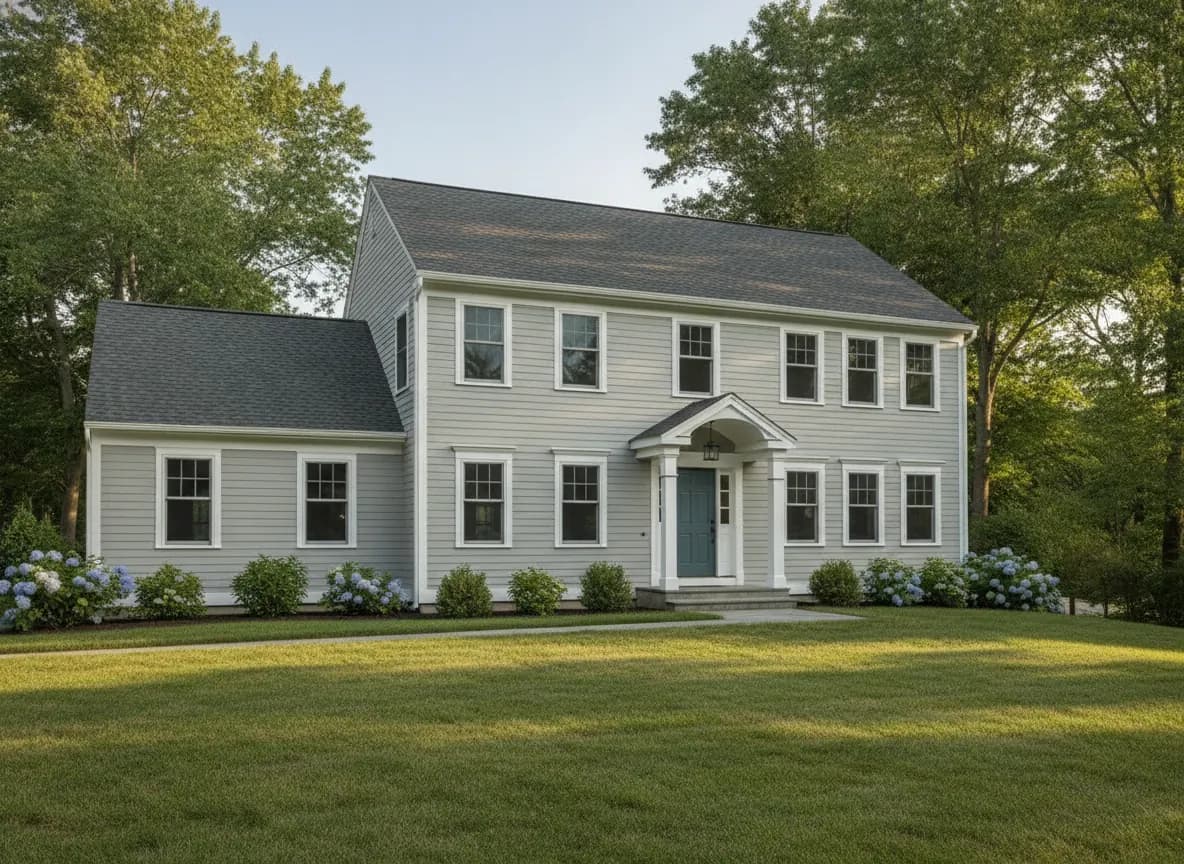
Vinyl siding installation in Massachusetts typically costs around $6 to $14 per square foot of wall area, including materials and labor, with standard vinyl near the lower end and insulated or premium profiles near the top. For a typical colonial or cape with about 1,500 to 2,000 square feet of wall to cover, many full re-siding projects fall somewhere in the $12,000 to $28,000 range.
That is a wide spread, and for good reason. Tear-off, trim, the condition of the sheathing underneath, and how complicated your house is all change the number. This guide explains each factor so you can compare quotes on the same terms, whether you live in Reading, Winchester, Lexington or anywhere else around Woburn.
How siding is measured and priced
Siding is priced by wall area, not by the floor area of the house. Contractors often talk in "squares," where one square equals 100 square feet of wall. A two-story colonial usually has more wall area than its living space, while a ranch has less.
To get a rough idea of your wall area, multiply the perimeter of the house by the wall height, then add the gable triangles. Window and door openings are usually not subtracted in full, because cutting and trimming around them takes extra time and material. Installers also order extra material for waste, typically around 10 percent.
Once you have a wall area, multiply it by a realistic per square foot range. That gives a ballpark. A written estimate after someone measures the house gives you a real number.
Standard, premium and insulated vinyl
Not all vinyl is the same. Builder-grade siding is thinner and more likely to wave, sag or crack in cold snaps. Thicker premium panels hold a straighter line on the wall, resist impact better and usually come with richer colors and longer manufacturer coverage.
Insulated vinyl has a rigid foam backing glued to each panel. It feels more solid, handles impact better and adds some insulating value, although most of the energy benefit on an older house comes from the housewrap and any added foam board, not the siding alone. Insulated vinyl typically costs a few dollars more per square foot than standard vinyl.
Profile also matters. Traditional clapboard (lap) is the most affordable. Dutch lap, board and batten, and vinyl shakes or scallops for gables cost more, and mixing profiles on one house adds labor.
Tear-off and what is underneath
Many Massachusetts homes still have their original wood clapboards or cedar shingles, sometimes under a later layer of aluminum or older vinyl. Removing and disposing of the existing siding adds cost, typically a dollar or more per square foot depending on layers and material.
Installing over old siding is sometimes possible, but a tear-off lets the crew see the sheathing. Rotted boards around windows, sills and the bottom course are common on older houses, and they should be replaced before new siding goes on. That repair is usually priced separately once the walls are open, so ask how it will be handled in the written estimate.
Two material issues are worth knowing about in older homes. Painted wood siding on houses built before 1978 may contain lead paint, and removal has to follow federal and Massachusetts lead-safe renovation rules. Some mid-century homes also have cement-based shingles that can contain asbestos, which requires specific handling. Neither issue is rare around here, and a contractor should raise them before work starts, not after.
Trim, wrap and details add up
The siding panels are only part of the job. A proper installation also includes housewrap or a weather barrier, starter strips, J-channel around windows and doors, corner posts, and new soffit and fascia where needed. Wrapping exterior trim in aluminum or installing PVC trim boards is common in this area, and it is often a significant share of the total.
Other details that change the price: the number of windows and doors, bump-outs, dormers and bay windows, multiple rooflines, and how high the walls go. A tall, cut-up colonial with dormers costs more per square foot than a simple ranch because of staging, ladders and the time spent on cuts.
Mounting blocks for light fixtures, outlets, hose bibs and dryer vents are small items, but a clean install uses them instead of cutting panels around each one.
Vinyl vs. other siding options in New England
Vinyl is popular here because it costs less than most alternatives, does not need painting, and handles rain and snow well when installed correctly. Its weaknesses are that cheap panels can crack in hard freezes and that it can warp from reflected sunlight off certain windows.
Fiber cement typically costs more to install and needs painting over time, but it is very durable and looks close to wood. Cedar shingles and clapboards have a classic New England look but need regular maintenance. Engineered wood sits in between on cost.
If you are choosing between materials, ask for estimates on two options for the same house. Seeing the numbers side by side makes the decision much easier.
Permits, timing and season
In most Massachusetts towns a full re-siding job requires a building permit, and your contractor should be registered with the state Home Improvement Contractor program. You can verify HIC registration and Construction Supervisor License status on mass.gov. If your home is in a local historic district, there may also be design review before exterior changes, so check with your town first.
Vinyl can be installed most of the year, but very cold days make the panels brittle and harder to cut and fasten. Spring through fall is the easiest window. Many homeowners plan siding in early spring so the job is done before summer, or in late summer and early fall before the weather turns.
A typical single-family re-siding project often takes one to two weeks, depending on size, weather, tear-off and how much rot is found behind the old siding.
How to compare vinyl siding quotes
Line up every estimate against the same checklist: brand and product line of the siding, panel thickness or insulated vs. standard, total square footage, tear-off and disposal, housewrap, trim wrap or PVC trim, soffit and fascia, gutters if included, how rotted sheathing will be priced, and cleanup.
A quote that looks low often leaves out trim, rot repair or disposal. A quote that looks high may include items the others skipped. Ask questions until you understand the difference.
NC Construction installs siding for homes around Woburn and across Massachusetts. You talk directly with the owner, get a clear written estimate that lists each of these items, and we help handle the permit process. Estimates are free.
Frequently asked questions
- How much does vinyl siding cost to install in Massachusetts?
- Vinyl siding installation in Massachusetts typically costs around $6 to $14 per square foot of wall area, materials and labor included. Many full re-siding projects on a typical colonial or cape fall somewhere around $12,000 to $28,000, depending on tear-off, trim, rot repair and the siding product.
- Is insulated vinyl siding worth the extra cost?
- Insulated vinyl is stiffer, straighter on the wall and more impact resistant, and it adds some insulating value. It typically costs a few dollars more per square foot than standard vinyl. For many homeowners the better look and durability justify the difference, but the energy savings alone are usually modest.
- Can vinyl siding be installed over old wood siding?
- Sometimes, but removing the old siding is usually the better choice on older Massachusetts homes. A tear-off exposes rotted sheathing that should be fixed first. Painted siding on homes built before 1978 may involve lead-safe work rules during removal.
- Do I need a permit for new siding in Massachusetts?
- Most Massachusetts towns require a building permit for a full re-siding project. Homes in local historic districts may also need design review. Check with your town building department and confirm that your contractor is registered as a Home Improvement Contractor on mass.gov.
- How long does vinyl siding last in New England?
- Quality vinyl siding that is installed correctly commonly lasts several decades in New England. Thin builder-grade panels are more likely to crack in hard freezes or show waves. Keeping gutters clear and trimming plants away from the walls helps it last longer.
Related services
Found this helpful? Make us a preferred source on Google.
Free estimate
Want real numbers for your project?
Get a free, written estimate based on your home, not a phone guess.